Monday, February 20, 2012

What Does Short Sale Mean?

Buying Short Sales: What You Need to Know

As the real estate market remains volatile, one of the best options for many new homebuyers is purchasing a short sale home. But, what does "short sale" mean? A short sale is when lenders have the opportunity to sell a property before the bank forecloses on the home rather than after. While buying short sales creates the opportunity for real estate investors to pay well-below-average housing prices for properties within ideal locations, there are still drawbacks.

If you're interested in buying short sales, here are a few things you need to be aware of:

Why Banks Short Sale Pre-Foreclosure Homes

The last thing a bank wants to do is own a property secured by the bank's loans. When a property owner is in default and owes more than what the home is currently worth, the bank will work with the seller to offer the property for less than they owe on the mortgage loan.
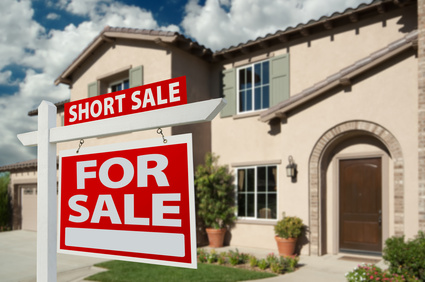
How much money will banks take off? When buying short sales, how much should I expect prices to fluctuate? On average, banks estimate that holding on to the property after foreclosure will cost up to 18 percent of the home value to complete the inspection, appraisals, repair and maintenance. Instead, it is a much easier and financially sound decision for banks to sell the home ôas isö to avoid any third-party inspection process.

The Negative Side of Buying Short Sales

Buying short sales might seem like a good deal for the buyer, but that's not always the case. Here are three major conflicts buyers and sellers face when a short sale, pre-foreclosed home is on the market:
  • Time: Don't let the name fool you. Buying short sales takes a very long time. There's a whole gambit of scenarios of why a short sale might be delayed, but many of the hurdles buyers have to overcome have to deal with secondary financing on the homeowner's original mortgage, bank processing delays and private mortgage insurance policy breakdowns. Buying short sales is a very complex process, which can leave the short sell buyer in housing limbo for up to six months.
  • Condition: Short sale homes often need additional maintenance and repairs. When the current property owner is unable to pay the mortgage on the home, more often than not the condition of the property diminishes over time. Additionally, short sale homebuyers should take into account that the property will have had more than one previous owner, which adds to the wear and tear.
  • Lender Restrictions: Banks can renegotiate a short sale at the last second. If a new law passes, the market begins to change or the bank finds out more information about the property, they reserve the right to change the terms of the contract at any point in the process. Banks will also refuse to pay for extra services like seller closing costs or inspections. If you want something specific inspected on the property, you're probably going to pay for it yourself.
Short sale homes are the real estate market's diamond in the rough. It's true that buying short sales can be a very tricky process, but for the flexible and patient homebuyer, the short sale home can be the dream house they've been searching for.

*** For more real estate market tips or insider information, visit TulsaHomeGuru.

Wednesday, February 15, 2012

What are Easement Restrictions? How to Ensure Clear Title on a Property

When buying a home you’re bound to encounter some things that you don’t know anything about. They are things that outside of the home buying process you won’t ever run into. And since the average homebuyer only goes through this process a few times in his or her lifetime, it’s understandable that these things would be unfamiliar. A couple of items that seem to be perplexing are title insurance and the property survey, specifically how easements are represented.
When purchasing a home with a mortgage you need to get title insurance and a survey. This is required for all financed home purchases. An attorney or title company typically orders property surveys. Though the buyer has to pay for this service they usually don’t need to be directly involved in the process.

What is Title Insurance?

Title insurance is just another line item expense when purchasing your house, paid for one time at closing. Essentially, it is protection for you and your mortgage company that the person selling you the house has full and clear title to the property and was able to legally pass it to you. The title insurance company investigates the ownership of the property and then insures their work. If the seller didn’t rightfully own the home, and someone else does, the mortgage company and the homebuyer are financially protected. Fortunately, issues of title defects are relatively rare, meaning that title insurance isn’t too expensive and really not something to worry about.

What is a Property Survey?

A property survey is a carefully measured drawing that shows the land that is for sale and all structures on the property. It shows how large all the structures are and how far they are from each other and the borders of the property. Most importantly, it shows setbacks and easement lines.
Wait, what? It seems like the property lines and structures should be most important, but they are not. The setbacks and easement restrictions are actually the most critical elements of the survey because those are usually where the biggest problems are found.

What is a Setback?

A setback is the required distance between the house you wish to buy and other property features. For example, a city or county ordinance (or even a homeowners association) may require that homes be set back 20 feet from the road. So even though you own your front yard, you cannot extend your house any closer than 20 feet from the road.
Other setbacks indicate how closely you can build to your property boundaries or to your neighbors’ homes. If you live in an area with natural features like streams or lakes, certain special setbacks may also dictate how close you can build to these structures.

What is an Easement?

Easements refer to property with common usage rights. For example, you may own the land that a sidewalk is on, but anyone can walk on this part of your property.

Why Setbacks and Easement Restrictions Matter

What happens if the survey reveals that part of the house (the actual structure) up for sale sits within a setback or an easement? It’s a problem! In some instances it means that part of the house will need to be torn down before it can lawfully be sold. Otherwise title cannot be passed to a new owner because someone is attempting to sell property that was not built legally.
Surprisingly, this situation is not so uncommon. It may not affect the main domicile on a property, but garden sheds or pool equipment are occasionally located in an area where they don’t have a legal right to be. In these cases your lawyer has some work to do. Hopefully, you’ll discover that the structures are grandfathered because they were erected before certain setbacks were enacted. But definitely investigate these matters fully, as doing future improvements on the property may necessitate that they be corrected in the process.

Spend Some Time With Your Property Survey

For some, the survey process is one of those “check the box” items during home buying. Most get it done and move on. But it’s important to look over everything carefully and ask questions. Surveyors are happy to discuss the survey with you, and errors on surveys can occur. Spending 15 minutes looking this over will save you the headache of having it redone down the road when you want to build or make a change on your property.

*** For more real estate market tips or insider information, visit TulsaHomeGuru.

Popular Posts